
Using Neuroscience To Build Brands
From Packaging Design To The Biology Of Human Choice
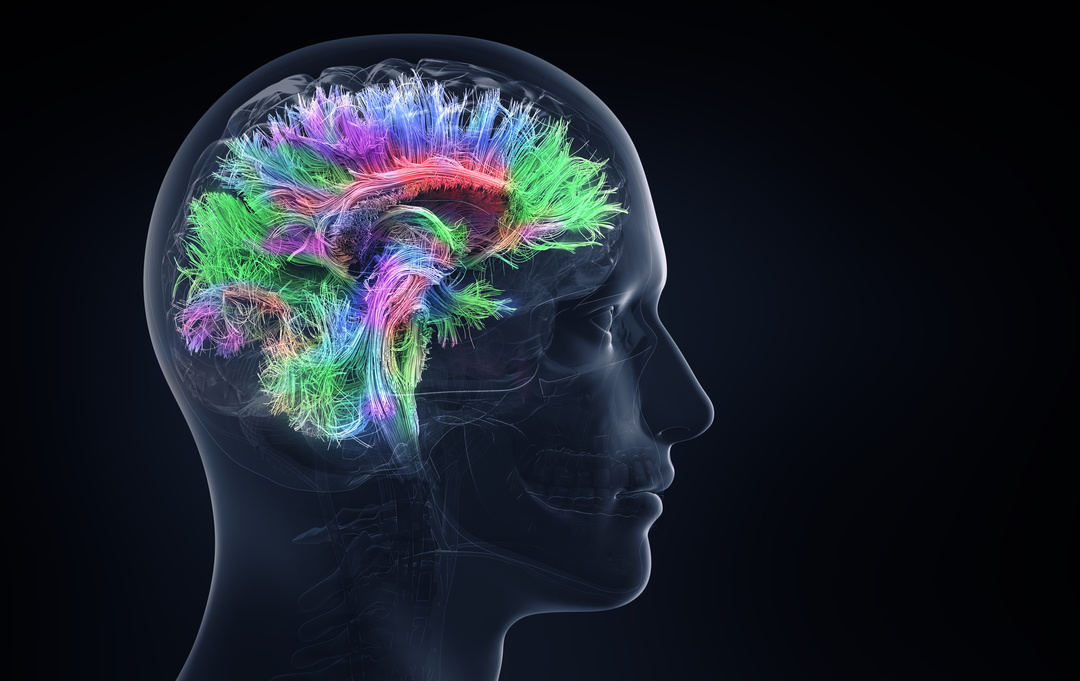
Published in IFT’s Food Technology Magazine, this article by Constantinos Pantidos, Founder of BRAND AVIATORS® and creator of THE WHEEL OF MOTIVES®, explores a fundamental question: if emotions influence what people choose, can the science behind those emotions help determine what brands and businesses should actually create?
The article begins with the way the brain constructs experience. Marketing and product development often treat sight, sound, smell, taste and touch as separate channels, while the brain does not. It integrates these signals into a coherent perception of what something is, what it means and how it makes us feel.
When signals conflict, they can create cognitive noise; when they reinforce one another, they can strengthen meaning, experience and preference.
This raises a challenge that goes beyond multisensory consistency. What is the emotional meaning that all these signals should reinforce in the first place?
The article introduces the research behind THE WHEEL OF MOTIVES®—a multidisciplinary effort drawing on thousands of sources across neuroscience, medicine, anthropology, history and sociology, complemented by consumer interviews and client workshops. The resulting framework identifies 12 Fundamental Human Motives, providing a structure for understanding the deeper emotional forces behind human choice.
That structure creates a bridge from science to business. A fundamental motive can first help define what a brand or product should mean, the strategic territory it can occupy and how it should be positioned. The same emotional logic can then move downstream into what companies actually create.
For food products and packaging, the implications are particularly powerful. Ingredients, formulation, flavor, texture, shape, material, color, sound and fragrance are not neutral or independent choices. They can be orchestrated around the same underlying emotional meaning, allowing the product, sensory experience and packaging to become physical expressions of the positioning itself.
Emotion therefore moves beyond something marketers communicate around a product or researchers measure after development. It can become an organizing principle running from human motivation, through strategy and positioning, into formulation, sensory design and packaging.
This scientific foundation would become central to our subsequent work with O-I Glass, where the methodology was used to move from understanding the emotional DNA of brands to translating that meaning into the shape, texture, material and sensory language of glass packaging.
The article captures an early expression of a principle that would become central to the BRAND AVIATORS® approach:
Don't only measure whether something creates the desired emotion. Understand why—and use that understanding to decide what to position, formulate and design in the first place.
From the biology of human choice → to strategy and positioning → to products, sensory experiences and packaging people can actually experience.