
Outsell competition through Neuromarketing and Branding
Global PETS Forum
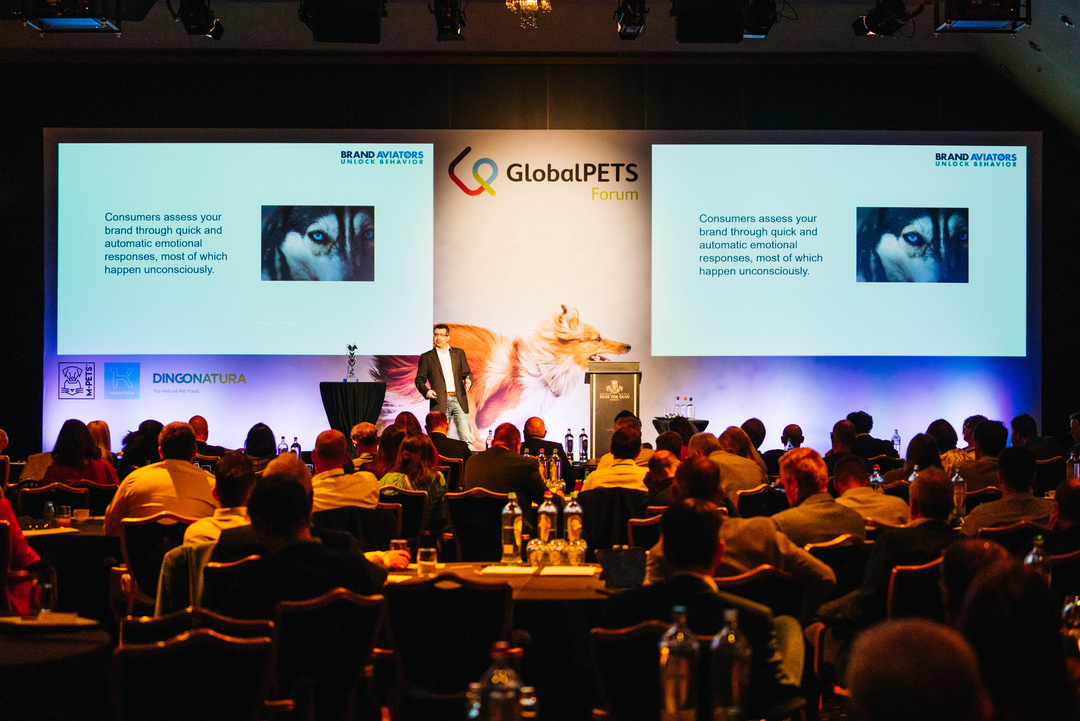
In highly competitive categories such as pet food, providing a good product or service is no longer enough to win preference. Competitors can offer similar ingredients, benefits, claims and prices. The deeper challenge is understanding why one brand instinctively feels more relevant, coherent and desirable than another—and how to systematically create that response.
In this presentation at the Global PETS Forum, Dr. Constantinos Pantidos explored how consumers make remarkably fast judgments about brands. Within seconds, the brain interprets what it encounters through automatic emotional responses, many of which occur outside conscious awareness. Yet marketing often concentrates on the benefits consumers can articulate, potentially missing the deeper motivations shaping choice.
The presentation introduced a biology-based way of approaching this challenge. Rather than starting with a positioning statement, the process begins by uncovering the fundamental human motives driving the category and decoding the distinctive emotional DNA of the brand. Bringing the two together reveals an emotional territory the brand can authentically own—and provides the foundation for its strategy, positioning and purpose.
Using examples from beer and pet food, the presentation demonstrated why purpose, from this perspective, is far more than a corporate statement or a generic commitment to sustainability. Purpose becomes the strategic expression of a deeper human motive the brand is uniquely equipped to satisfy.
For pet food brands, this means going beneath nutrition, ingredients and health benefits to understand something much deeper: why humans have pets, the emotional role pets play in our lives, and the fundamental motives shaping the choices we make for them.
But identifying the right emotional territory is only half the challenge. The brand then has to make people feel it.
This is where THE WHEEL OF MOTIVES® connects strategy with execution. Once the motivational territory and positioning are defined, the same emotional meaning can be translated into products, packaging, messaging, visual identity, materials, digital experiences, social media and other brand touchpoints—so that everything the consumer encounters reinforces the same underlying idea.
Emotion therefore stops being something added through communication or measured after the fact. It becomes an organizing system running from human motivation, through strategy and positioning, all the way to the tangible things the brand says, makes and does.
The central message: brands outperform when they satisfy consumers not only functionally, but emotionally and biologically—and consistently bring that meaning to life in ways the brain can recognize and authenticate almost instantly.
Read the PDF presentation here: