
Living Brands: How Biology and Neuroscience Shape Brand Desirability
IN-SIGHTS Magazine Interview
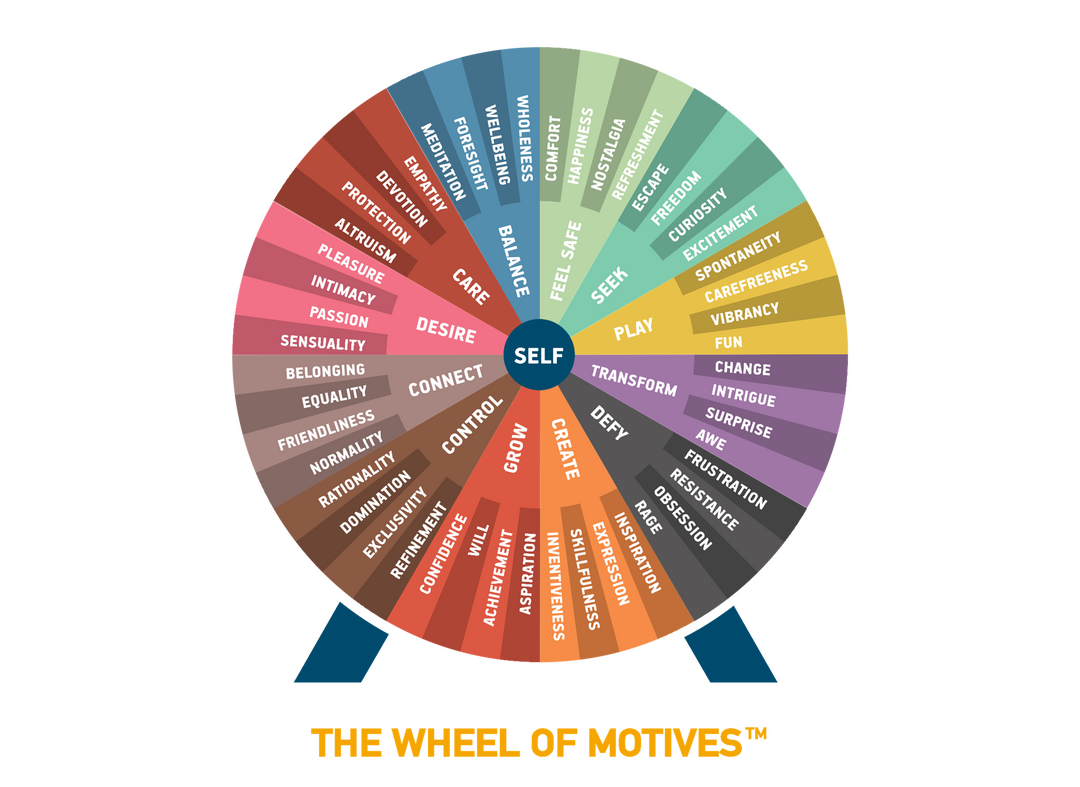
In this interview with IN-SIGHTS Magazine, I discuss the thinking behind Living Brands: How Biology and Neuroscience Shape Consumer Behaviour and Brand Desirability and the scientific foundations of THE WHEEL OF MOTIVES®.
The conversation begins with a question that has guided my work: if emotions drive human choice, how can brands move beyond simply talking about or measuring emotion and actually use it to determine what they should stand for, create and do?
Drawing on biology, affective neuroscience and behavioural science, I explain why brand meaning should not be arbitrarily constructed around trends, stated consumer preferences or creative intuition alone. Beneath what people can consciously articulate lie deeper motivational systems that influence what feels meaningful, relevant and desirable.
The interview introduces the Pathways of Human Behaviour and THE WHEEL OF MOTIVES® as frameworks for giving these deeper forces structure—connecting what a product is, what it means and what people ultimately feel.
This understanding can first inform strategy and positioning. By decoding the deeper motivations driving a category and uncovering the distinctive motivational DNA of a brand, marketers and Consumer Insights teams can identify which emotional territory the brand can authentically own and build its positioning around.
But defining the emotional territory is only the beginning. The same underlying motive can then become a compass for what the brand actually creates—guiding communication, concepts, products, formulations, packaging, colors, shapes, sounds, flavors and other sensory experiences so that they reinforce the same emotional meaning.
This creates a bridge between two worlds that businesses often treat separately: the intangible world of brand strategy and the tangible world of consumer experience. Emotion moves from something discussed in a positioning document or measured in research to something that can systematically influence what the company says, makes and designs.
Originally developed in Living Brands, these ideas laid the foundations for what has since become a broader ambition: to make emotion actionable—from understanding the biology of human choice, to defining strategy and positioning, to systematically designing that meaning into everything people experience from the brand.