
Glass Packaging's Transformative Power
The 12 Motives Become A Language For Glass
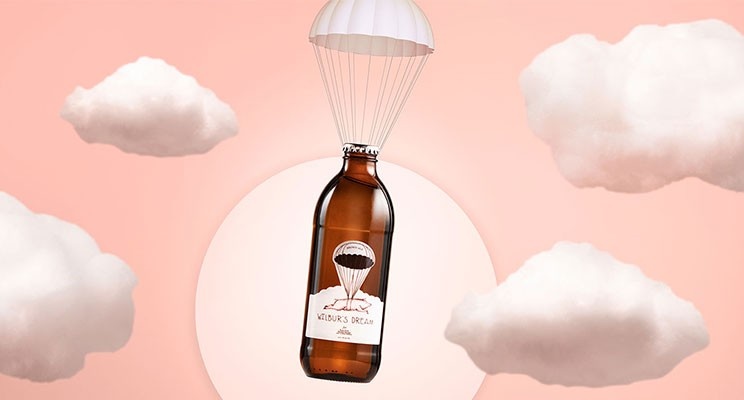
A brand can decide that it wants to feel transformative, reassuring, creative or desirable. But how does that emotional intention become a distinctive positioning—and then a bottle consumers can actually see, touch and experience?
As the collaboration between BRAND AVIATORS® and O-I Glass developed, this question took us from understanding what makes glass emotionally distinctive as a material to a more ambitious possibility: could glass become a physical language for expressing the emotional DNA of different brands?
Our work initially identified TRANSFORM as a fundamental emotional territory of glass—the extraordinary transformation of sand into a material capable of elevating products, experiences and everyday moments. But glass has another remarkable characteristic: its versatility. Through shape, color, transparency, weight, texture, touch and its distinctive sound, the same material can communicate very different emotional meanings.
In this article, Marie-Laure Susset of O-I explores this possibility through THE WHEEL OF MOTIVES®. Grounded in biology and the deeper motivations behind human choice, the framework organizes emotional meaning around 12 Fundamental Human Motives. Each can provide a different strategic territory for a brand—and a different direction for how that territory becomes physical.
Glass can therefore feel transformative, pure, creative, sensual, protective, wise, exploratory, connective, noble, growth-enabling, defiant or playful. The important shift is that these are not simply emotional interpretations applied to finished designs. The motive can first help define what the brand should mean and how it should be positioned, and then guide the physical and sensory principles through which that positioning is expressed.
This represented an important step in the evolution of our work together. THE WHEEL OF MOTIVES® was becoming a language for glass—bridging the intangible world of human motivation and brand strategy with the tangible world of packaging design.
Rather than designing packaging first and rationalizing its emotional impact afterwards, the process could therefore be reversed: start with the human motive, establish the emotional territory, and design the glass to embody it.
Shape, proportion, weight, texture, transparency and tactile experience become more than aesthetic choices. They become instruments for making positioning physical.
This led to a powerful packaging principle:
Glass can capture the distinctive emotional territory of a brand and make it physically and sensorially recognizable.
From human motive → to brand positioning → to the glass consumers hold in their hands.
One material. 12 human motives. Infinite possibilities for making brand DNA tangible.