
The Architecture of Emotion in Art: A Neuroaesthetic Approach
How biological mechanisms of perception help explain our experience of art.
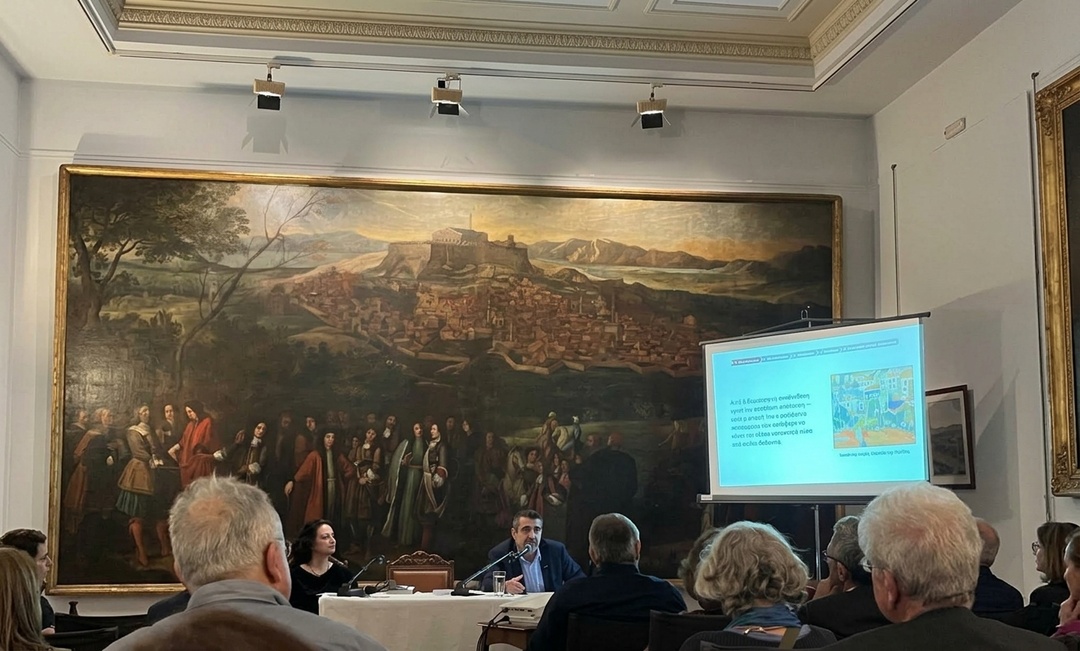
Why can a particular arrangement of color, form and space move us—even before we can consciously explain why?
In this conference presentation, Dr. Constantinos Pantidos explores the work of Greek modernist painter Spyros Papaloukas through the lens of neuroaesthetics. Focusing on works created in Lesvos, the presentation examines how principles such as completion, perceptual constancy and abstraction engage fundamental mechanisms through which the brain transforms incomplete visual information into coherent meaning and aesthetic experience.
The presentation extends beyond art to a broader principle underlying Pantidos' work on human behaviour: our responses to what we see and experience are not arbitrary. They are shaped by biological mechanisms of perception, interpretation and emotion that operate before we consciously rationalize them.
Neuroaesthetics therefore provides another perspective on the same fundamental question addressed by THE WHEEL OF MOTIVES®: how can biology help us move beyond describing what people feel toward understanding why particular forms, signals and experiences make them feel it?
In brand and innovation contexts, this explanatory understanding can be operationalized further—first informing strategy and positioning, and then guiding the communications, concepts, products, sensory experiences, packaging and other touchpoints through which an intended emotional meaning becomes tangible. Art provides a particularly revealing demonstration of the biological foundation beneath this process: physical signals can activate perceptual and emotional mechanisms long before conscious explanation begins.
The presentation therefore broadens the scientific foundation of the BRAND AVIATORS® approach. Whether experiencing a painting, a product or a brand, the brain does not passively record what is in front of it. It actively constructs meaning from the signals it receives.
Understanding those biological mechanisms gives us a deeper explanation of why certain experiences move us—and, ultimately, how meaning and emotion can be intentionally created.